Rain, Rain, and More Rain 6/15/09
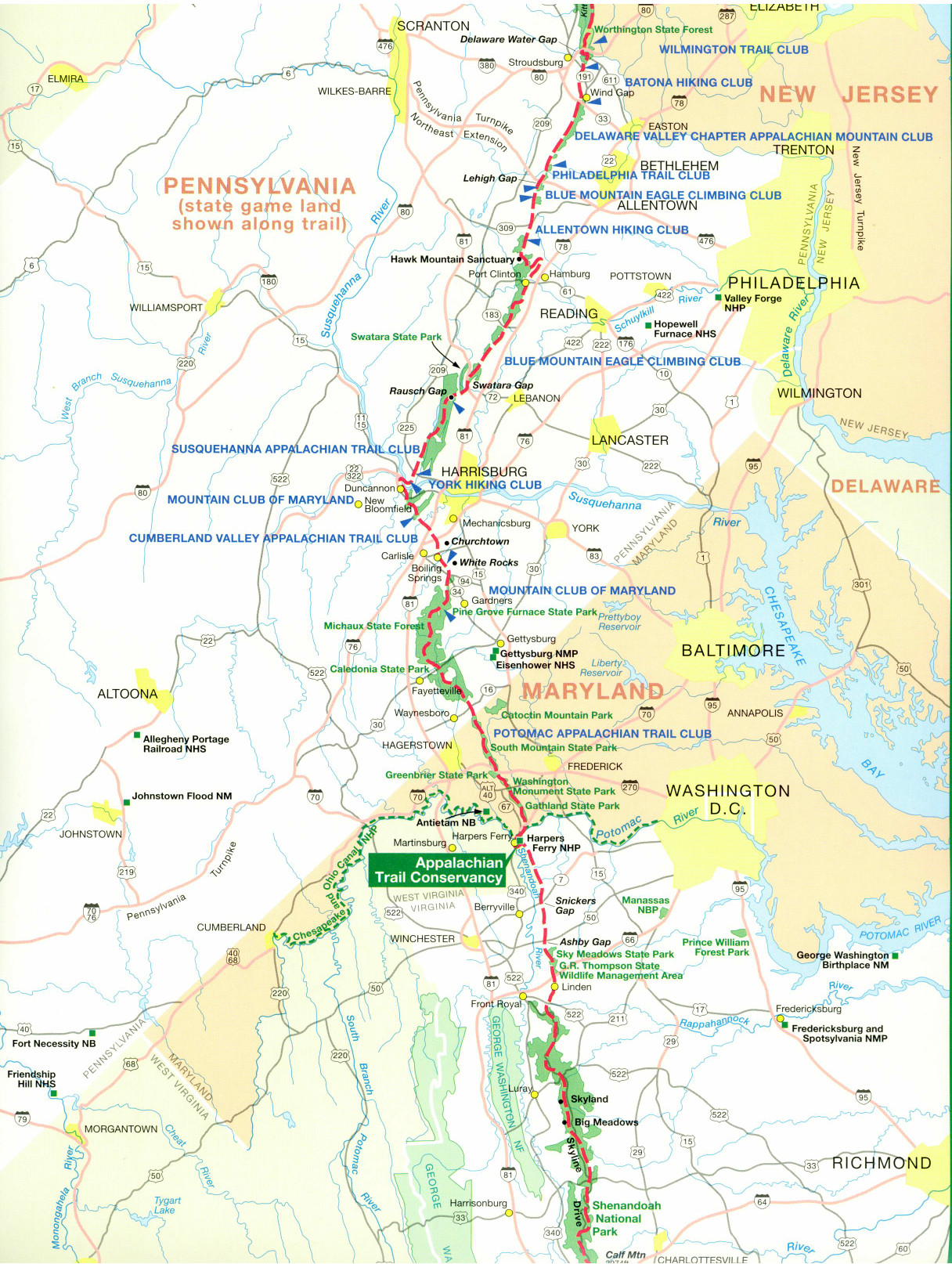
Sam, Sallie, and Dustin made it to Salisbury, Connecticut today where they'll get to dry out. Salisbury is a very small hamlet in the northwestern part of the state (see attachment for map). The AT runs through Cobble Park which affords a nice, quiet camping spot while you walk the half mile to the Post Office to pick up any mail from home. Sam will pick up a box of home made (Mom's finest) brownies and a couple of memory cards she sent for his camera.The past couple of days have been very wet with rain falling almost all of the time. It's a challenge walking a mountain trail that is wet and slippery. Good footing is at a premium and mud is on discount - it's everywhere. Wednesday night, with rain falling, Sam pitched his covered hammock just after sunset and turned in. He said that he was in the crook of a mountain brook and it was really making noise with all of the run-off from the rain. The restful sounds of water running was soon interrupted by Sallie who had laid down underneath Sam's bivy and was snoring loudly. It's just 690-miles from Salisbury to Mt. Katahdyn, Maine. The trail is now hitting the Berkshire foothills, precursor to the beautiful Berkshire Mountains of Western Massachusetts. The hikers will make it to Massachusetts by Saturday where the hills become mountains - some rising to 2000 feet or more. This is quite a change from the 500-foot hills of New York and Connecticut. The higher elevations also bring cooler temps, especially in the night time. Mount Greylock at 3491-feet is the highest point on the Massachusetts section of the trail. Ninety miles across the state to the Vermont border will take about 7-days.So far, no injuries, just some tired feet, both human and canine. Sallie has taken to lying down anytime the two boys stop on the trail. She has decided that it's much better to conserve her energy than to chase squirrels, chipmunks, or investigate porcupines. Nutrition is the keystone of any trek, but more especially on one that covers almost 2200-miles and consumes 6-months of your life. Lots and lots of high protein food is required and at least two of your daily meals should be hot ones. When it comes to heating your food on the trail, there are literally hundreds of choices in stoves from high tech to low tech. Most of the high tech stoves do a great job cooking, but they are expensive both in cost and weight. Some even require special fuels that may not be available at all places along the trail. Many AT through-hikers choose a home built alcohol stove fashioned from the bottoms of two aluminum pop cans. One bottom is inverted and pressed down into the other can bottom. Several holes are punched around the upper rim of the top can. When filled with just one ounce of fuel alcohol and lit, this little contraption can bring a quart of water to a boil in about five minutes. The best part is that it weighs less than two ounces, including the fuel. You can take a look at how to make one and watch it work on YouTube at http://www.youtube.com/watch?v=e9nQen6i8Mo or if you are interested in more detailed instructions, go to http://zenstoves.net/.Sam's blog is updated whenever he can get to a computer along the trail. You can access the blog at http://sambomc.blogspot.com/2009_01_01_archive.html. He really appreciates any email that you care to send his way. That address is mclemoresam@yahoo.com.Until the next update from the Appalachian Trail with Sam, Sallie, and Dustin. So long for now."Inch by Inch, Life's a Cinch!, Yard by Yard, Life's HARD!!!"Kmac


Subscribe to:
Post Comments (Atom)


 Posts
Posts



No comments:
Post a Comment